 Bad Credit Loans Blueprint
What Counts as a Bad Credit Score in the UK
How UK Credit Reference Agencies Define Poor Credit
Credit scores in the UK are not universal. Each of the three main agencies, Experian, Equifax and TransUnion, uses its own scale and its own thresholds, so a number on one report cannot be directly compared to a number on another.
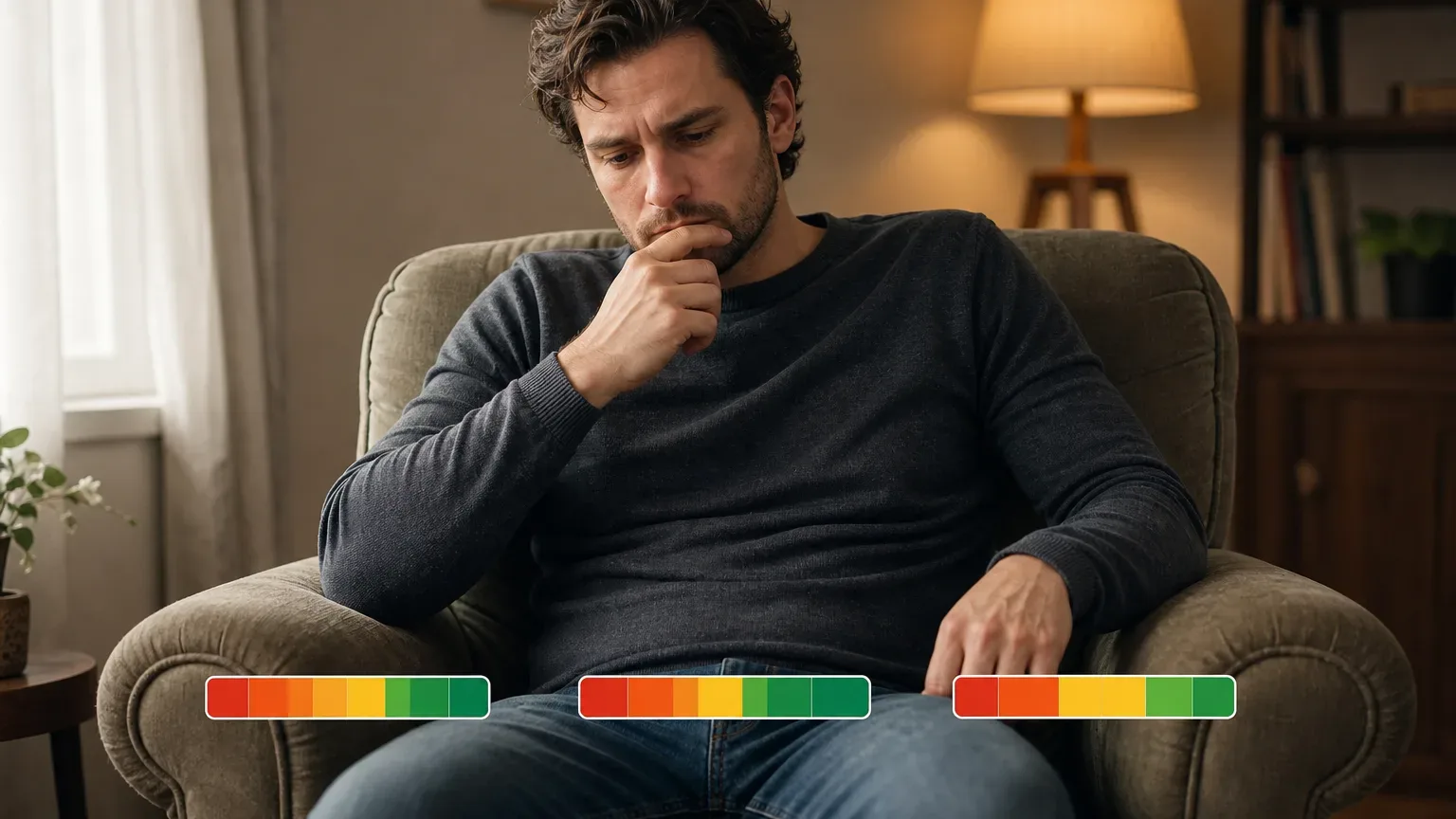
On Experian's scale of 0–999, a score of 0–560 falls into the poor or very poor band. Scores between 561 and 720 are considered fair, meaning lenders may still offer credit but often at higher rates. Equifax runs a scale up to 1,000, while TransUnion scores up to 710, so the same borrower can appear to have meaningfully different numbers across agencies.
Lenders also carry out their own internal scoring using data from your credit file, plus any information you submit on the application form. A credit reference agency score is a useful indicator, but it is not the final word on whether you will be approved.

What Causes a Score to Drop Into the Poor Range
Missed payments are the most common driver. A single missed payment is recorded on your credit file for six years from the date it was missed, and it remains visible to every lender that runs a hard search during that period.
Defaults and County Court Judgements carry the same six-year retention period and have a sharper negative effect than a missed payment alone. Bankruptcy is also recorded for six years from the date of the bankruptcy order, even if the debt itself is discharged earlier.
High credit utilisation, multiple applications in a short window, and having no credit history at all can each drag a score down without any formal negative event on the file. Lenders treat a thin file, one with very few accounts, as a risk because there is little evidence of how you manage borrowing.
What Lenders Actually Do with a Poor Credit Score
A poor score does not automatically mean rejection. Some lenders specialise in this segment and price their products to reflect the higher perceived risk.
Unsecured bad credit personal loans typically range from £100 to £5,000, with terms spanning 3 months to 5 years. The representative APR on these products tends to run between 29.9% and 99.9% representative APR, well above mainstream personal loan rates. Borrowers who can offer a creditworthy guarantor may access guarantor loans of £1,000–£10,000 at 29.9%–69.9% representative APR, since the guarantor's record reduces lender risk.
Doorstep loans, sometimes called home-collected credit, are available to borrowers with very poor histories, but carry 100%–400% representative APR. Using one when a cheaper alternative exists is rarely cost-effective.
Soft Searches vs Hard Searches
Before applying formally, use a soft search eligibility checker. A soft search eligibility checker does not affect your credit score and gives you a realistic picture of approval odds before anything is recorded. A hard credit search, the kind triggered by a full application, is recorded on your credit file and visible to other lenders for up to 12 months. Multiple hard searches in a short period can lower your score further.

Checking Your Own Score Before Applying
All three agencies, Experian, Equifax and TransUnion, offer a statutory free credit report. Experian and ClearScore, which uses TransUnion data, also provide free ongoing access to your score and file, making it straightforward to monitor changes month to month.
Reviewing your file before any application lets you spot errors, such as an account listed as defaulted when it was actually settled, and dispute them with the relevant agency. Even a small correction can shift a score meaningfully. Checking your own file uses a soft search and has no impact on your score.

How to Improve a Poor Credit Score Over Time
Consistency matters more than any single action. Registering on the electoral roll at your current address gives lenders a stable identity anchor and tends to produce a quick, modest improvement.
Paying every bill on time, including utilities and phone contracts, builds a positive payment history. If you have no active credit accounts, a credit-builder card used lightly and cleared in full each month can add evidence of responsible behaviour. Keep utilisation below 30% of any credit limit where possible.
Negative marks drop off automatically after six years, so a file that looks very poor today can look substantially healthier if you avoid new adverse events. The rate of improvement depends on how many markers you are carrying and when each was recorded.
Alternatives Worth Considering
Credit unions offer personal loans at rates that are capped by regulation. To borrow from a credit union you must qualify under its common bond, such as employer, location or community group, so eligibility depends on where you live or work.
Budgeting and payroll advance schemes offered by some employers let you access earned wages early at no cost. These do not involve a credit check at all and have no effect on your credit file.
Protecting Yourself from Predatory Lenders
All consumer credit lenders and brokers in the UK must be authorised by the Financial Conduct Authority. You can verify any lender instantly via the FCA Financial Services Register online. If a name does not appear there, do not proceed.
Legitimate FCA-authorised lenders do not charge upfront fees before releasing funds. Any request for a payment before you receive money is a red flag for a scam. Borrowers with poor credit are disproportionately targeted because desperation can override caution.
A broker, or credit broker, introduces applicants to lenders and may earn a referral fee or charge one. A direct lender makes the lending decision itself. Knowing which you are dealing with helps you understand who actually holds your data and who is responsible for the credit decision.
Frequently Asked Questions
Is a 600 Credit Score Considered Bad in the UK?
On Experian's scale of 0–999, a score of 600 falls within the fair band (561–720), not the poor band (0–560). That said, lenders may still apply higher interest rates or stricter terms to borrowers in the fair range, and a score of 600 on Experian cannot be compared directly to scores from Equifax or TransUnion, which use different scales.
What's a Good Credit Score to Have in the UK?
On Experian's scale, a score above 720 is generally considered good, with 881–960 rated as 'good' and 961–999 rated as 'excellent'. Equifax and TransUnion use different thresholds and maximums, so check the band descriptions on whichever agency's report you are reading rather than relying on the number alone.
Is a 600 Credit Score Bad?
A score of 600 on Experian sits in the fair band rather than the poor band, so it is not technically 'bad' by that agency's definition. However, it is below the threshold most high-street lenders prefer, and you may find that rates offered are higher than those advertised to borrowers with good or excellent scores.
What Does a Credit Score of 550 Mean in the UK?
On Experian's 0–999 scale, 550 falls within the poor band (0–560), which is the lowest category. This is likely to limit access to mainstream credit products and may result in higher representative APR on any offers you do receive. Checking your full credit file for errors and building a consistent payment history are practical first steps to improving from this position.
What Does a Credit Score of 550 Mean?
In the context of UK credit scoring, 550 on Experian's scale places you in the poor range, suggesting adverse markers, limited credit history, or both. It does not make borrowing impossible, as specialist bad credit lenders operate in this space, but the cost of credit is likely to be significantly higher than average until the score improves.